Sve do sad što sam pronašao o Kulin banu...ko je on bio a mi znamo tako malo...
Džingis Kan i njegov YASSA ZAKON
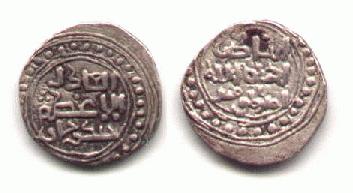
Novac Džingis Kana od 1206 - 1207 AD.
THE GREAT YASSA OF JENGHIZ OR GENGIS KHAN
VELIKI JASSA ZAKON DŽINGIS KANADuring his reign as Genghis Khan Genghis Khan created a book of laws called the Yassa. The Yassa was aimed at three things: obedience to Gengis Khan, a binding together of the nomad clans, and the merciless punishment of wrong-doing. In structuring his army, he integrated soldiers from different tribes, thus inspiring loyalty to the Mongol army as a whole rather than to a specific lineage.
Za vrijeme njegova vladanja, Džingis Kan napravio je knjigu zakona po imenu Yasa. Yasa je tri stvari stavljala u prvi plan: poštovanje Džingis Kana, zbližavanje nomadskih klanova, i nemilosrdno kažnjavanje ako se radi pogrešno. U stvaranju svoje vojske, on je uključio vojnike iz različitih plemena, tako što ih je inspirisao da budu potpuno lojalni Mongolskoj vojsci radije nego specificnoj vrsti.
The fragments of the Great Yassa of Jenghiz Khan which have come down to us through Makrizi:
Djelovi Velikog Yasa zakona Džingis Kana koji su dobijeni od Markiza:
- 1. An adulterer is to be put to death without any regard as to whether he is married or not.
- 1. Onaj ko je odrastao (STAR čovjek) će biti usmrćen bez pozdrava bio on oženjen ili ne.
- 2. Whoever is guilty of sodomy is also to be put to death.
- 2. Bilo ko je kriv u sodomiji će takodjer biti usmrćen.
- 3. Whoever intentionally lies, or practices sorcery, or spies upon the behaviour of others, or intervenes between the two parties in a quarrel to help the one against the other is also to be put to death.
- 3. Bilo ko namjerno laže, ili praktikuje vradžbine-vračanje, ili špijunira u korist drugih, ili interveniše izmedju dvojice u svadji da im pomogne jednom protiv drugog, će takodjer biti usmrćen.
- 4. Whoever urinates into water or ashes is also to be put to death.
- 4. Bilo ko se popiša u vodu ili pepeo će takodjer biti usmrćen.
- 5. Whoever takes goods (on credit) and becomes bankrupt, then again takes goods and again becomes bankrupt, then takes goods again and yet again becomes bankrupt is to be put to death after the third time.
- 5. Bilo ko uzme robu (na kredit-zajam) i bankrotira, pa opet uzme robu i ponovo bankrotira, pa opet uzme robu i ponovo bankrotira će biti usmrćen poslije trećeg puta.
DA LI JE TO TREĆA SREĆA NARODNA IZREKA.......koju koristimo a ne znamo odakle je, možda je odavde.
- 6. Whoever gives food or clothing to a captive without the permission of his captor is to be put to death.
- 6. Bilo ko, da daje hranu ili odjeću zarobljeniku bez dozvole onog koji ga je uhvatio će biti usmrćen.
- 7. Whoever finds a runaway slave or captive and does not return him to the person to whom he belongs is to be put to death.
- 7. Bilo ko nadje roba bjegunca ili zarobljenika i ne vrati ga do osobe kojoj pripada biće usmrćen.
- 8. When an animal is to be eaten, its feet must be tied, its belly ripped open and its heart squeezed in the hand until the animal dies; then its meat may be eaten; but if anyone slaughter an animal after the Mohammedan fashion, he is to be himself slaughtered.
- 8. Kada životinja treba da bude pojedena, njene noge moraju biti svezane, stomak rasporen i njeno srce stisnuto u ruci dok životinja ne umre; tada njeno meso može biti pojedeno; ali ako bilo ko zakolje životinju na način Muhameda, on sam će biti zaklan.
- 9. If in battle, during an attack or a retreat, anyone let fall his pack, or bow, or any luggage, the man behind him must alight and return the thing fallen to its owner; if he does not so alight and return the thing fallen, he is to be put to death.
- 9. Ako u bitki, za vrijeme napada ili opasnosti, bilo kome padne njegov prtljag-tovar, ili luk za strijele, ili bilo koji prtljag, tada čovjek iza njega mora sjahati i vratiti palu stvar njegovom vlasniku; ako on nije sjahao i vratio palu stvar, on će da bude usmrćen.
- 10. Jenghiz Khan decided that no taxes or duties should be imposed ... upon fakirs, readers of the Al-Koran, lawyers, physicians, scholars, people who devote themselves to prayer and asceticism, muezzins and those who wash the bodies of the dead.
- 10. Džingis Kan je odlučio da nema poreza ili dadžbina koje treba da daju....fakiri, oni što uče Kuran (čitači Kurana), sudije, ljekari, učenici, ljudi koji su posvetili sebe da mole i budu askete, hodje i oni koji peru tijela mrtvih.
- 11. He ordered that all religions were to be respected and that no preference was to be shown to any of them. All this he commanded in order that it might be agreeable to God.
- 11. Naredio je da sve religije budu poštovane a da se ni jednoj ne pokazuje prednost ili privilegija.
- 12. He forbade his people to eat food offered by another until the one offering the food tasted of it himself, even though one be a prince and the other a captive; he forbade them to eat anything in the presence of another without having invited him to partake of the food; he forbade any man to eat more than his comrades, and to step over a fire on which food was being cooked or a dish from which people were eating.
- 12. Zabranio je svojim ljudima da jedu hranu ponudjenu od drugog dok taj koji je nudi i sam ne proba, čak iako su u pitanju princ i zarobljenik; zabranio im je da bilo šta jedu u prisustvu drugog a da ga ne ponude; zabranio je svakom čovjeku da pojede više od njegovih vojnika, i da predju preko vatre na kojoj se kuha ili posude iz koje ljudi jedu.
- 13. When a wayfarer passes by people eating, he must alight and eat with them without asking for permission, and they must not forbid him this.
- 13. Kada putnik iz daleka prolazi pored ljudi koji jedu, on mora sjahati i jesti sa njima bez traženja dozvole, i oni ne mogu mu zabraniti to.
- 14. He forbade them to dip their hands into water and ordered them to use some vessel for the drawing of water.
- 14. Zabranio im je da umaću ruke u vodu i naredio im da koriste neko pomagalo-posudu za sipanje vode.
- 15. He forbade them to wash their clothes until they were completely worn out.
- 15. Zabranio im je da peru svoju odjeću dok ona nije potpuno istrošena.
- 16. He forbade them to say of anything that it was unclean, and insisted that all things were clean and made no distinction between the clean and unclean.
- 16. Zabranio im je da kažu da je nešto prljavo i insistirao na tome da su sve stvari čiste i nije pravio razliku izmedju čistog i prljavog.
- 17. He forbade them to show preference for any sect, to pronounce words with emphasis, to use honorary titles; when speaking to the Sultan or anyone else simply his name was to be used.
- 17. Zabranio im je da pokažu naklonost bilo kojoj sekti, da istaknu riječi koje izgovaraju, da koriste počasne titule kad govore Sultanu ili bilo kom drugom, već da samo koriste njegovo ime.
- 18. He ordered his successors to personally examine the troops and their armament before going to battle, to supply the troops with everything they needed for the campaign and to survey everything even to needle and thread, and if any of the soldiers lacked a necessary thing that soldier was to be punished.
- 18. Naredio je svojim podredjenim da lično prekontrolišu trupe i njihov prtljag prije odlaska u bitku, da im obezbjede sve što im je potrebno i pregleda sve od igle i konca i ukoliko ikome od vojnika nešto nedostaje, taj se vojnik kažnjavao.
- 19. He ordered women accompanying the troops to do the work and perform the duties of the men, while the latter were absent fighting.
- 19. On je naredio ženama koje su bile sa vojnicima da rade posao i izvršavaju dužnosti muškaraca, dok su vojnici bili u borbi.
- 20. He ordered the warriors, on their return from the campaign (battle) to carry out certain duties in the service of the Sultan.
- 20. Naredio je ratnicima, na njihovom povratku iz bitke da izvrše odredjene obaveze za uslugu Sultanu.
- 21. He ordered them to present all their daughters to the Sultan at the beginning of each year that he might choose some of them for himself and his children.
- 21. Naredio je njima da predstave sve svoje kćerke Sultanu na početku svake godine da on može izabrati neku od njih za sebe i svoju djecu.
- 22. He put Emirs (princes/generals or noyans) at the head of the troops and appointed commanders of thousands, hundreds, and tens.
- 22. On je postavio (prinčeve/generale ili noyans) na čelo trupa i proglasio komandantima hiljada, stotina, i desetina.
- 23. He ordered that the oldest of the Emirs, if he had committed some offence, was to give himself up to the messenger sent by the sovereign to punish him, even if he was the lowest of his servants; and prostrate himself before him until he had carried out the punishment prescribed by the sovereign, even if it be to put him to death.
- 23. Naredio je da najstariji od Emira, ukoliko počini neko krivično djelo, sebe preda glasniku protivnika čak i ako je on najnižeg nivoa, i da izvrši kaznu koju glasnik odredi čak i ako to znači da se usmrti.
- 24. He forbade Emirs to address themselves to anyone except the sovereign. Whoever addressed himself to asnyone but the sovereign was to be put to death, and anyone changing his post without permission was also to be put to death.
- 24. Zabranio je Emirima da se obraćaju jedan drugom na bilo koji način osim kao prema strancu. Ko god se obrati nekom drugačije je bio usmrćen, i svako ko bi promjenio ovo pravilo bi bio ubijen.
- 25. He ordered the Sultan to establish permanent postal communications in order that he might be informed in good time of all the events of the country.
- 25. Naredio je Sultanu da postavi trajnu komunikaciju da bi mogao biti informisan na vrijeme o svim dogadjajima u zemlji.
- 26. He ordered his son, Jagatai-baen-Jenghiz Khan to see that the Yassa was observed.
- 26. Naredio je svom sinu, Jagatai-baen-Džingiz Kan da vodi računa da je Yasa pod nadzorom.
From Mirhond (or Mirhovend): Od Mirhond-a:
- 27. He ordered that soldiers be punished for negligence; and hunters who let an animal escape during a community hunt he ordered to be beaten with sticks and in some cases to be put to death.
- 27. Naredio je da vojnici budu kažnjeni za nepažnju; i lovci koji dozvole životinji da pobjegne za vrijeme zajedničkog lova naredio je da bude istučen-bičevan sa štapom i u nekim slučajevima da bude usmrćen.
- 28. In cases of murder (punishment for murder) one could ransom himself by paying fines which were: for a Mohammedan - 40 golden coins (Balysh); and for a Chinese - one donkey.
- 28. U slučaju ubistva ( kazna za ubistvo) taj može izbaviti sebe samog sa plačanjem kazne koja je: za Muhamedanc - 40 zlatnika (Balysh); i za Kineze - jedan magarac.
From Ibn-Batuta: Od Ibn-Batuta:
- 29. The man in whose possession a stolen horse is found must return it to its owner and add nine horses of the same kind: if he is unable to pay this fine, his children must be taken instead of the horses, and if he have no children, he himself shall be slaughtered like a sheep.
- 29. Čovjek kod koga je nadjen ukraden konj, mora vratiti konja vlasniku dodajući pritom još 9 istih konja; ukoliko to ne može ispuniti, njegova djeca se uzimaju umjesto konja, a ako nema djece, on će biti zaklan kao ovca.
From Vartang: Od Vartang-a:
- 30. The Yassa of Jenghiz Khan forbids lies, theft and adultery and prescribes love of one's neighbor as ones's self; it orders men not to hurt each other and to forget offences completely, to sparae countries and cities which submit voluntarily, to free from taxes temples consecrated to God, and to respect old people and beggars. Whoever violates these commands is to be put to death.
- 30. Yasa od Džingis Kan-a zabranjuje laži, kradju i preljubu i preporučuje ljubav susjeda kao svoju; naredjuje muškarcima da ne naude jedan drugom i da potpuno zaborave uvrede, da poštede gradove i zemlje koje se predaju, da oslobode od poreza hramove koje su posvećeni Bogu, i da poštuju stare ljude i prosijake. Ukoliko se neko ne pridržava ovih zapovijedi, biva usmrćen.
From Mahakia: Od Mahakia
- 31. (The Yassa prescribes these rules:) to love one another, not to commit adultery, not to steal, not to give false witness, not to be a traitor, and to respect old people and beggars. Whoever violates these commands is put to death.
- 31. (Yasa odredjuje ova pravila) da se ljudi vole, da ne izvrše preljubu, da ne kradu, da ne daju lažnog svijedoka, da ne budu izdajice, i da poštuju starije i prosjake. Ko ne poštuje ova pravila, biva usmrćen.
- From various sources: Iz različitih izvora
- 32. (The Yassa of J. K. prescribes that) a man who chokes on food must be driven out of the camp and immediately killed; and whosoever puts his foot on the threshold of the tent of the commander of an army shall also be put to death.
- 32. (Yasa odredjuje ova pravila) Ukoliko se neki čovjek pri jelu počne gušiti, on se mora odvesti iz kampa i biti ubijen; ko god stupi u šator komandira vojske-armije se takodje ubija.
- 33. If unable to abstain from drinking, a man may get drunk three times a month; if he does it more than three times he is culpable; if he gets drunk twice a month it is better; if once a month, this is still more laudable; and if one does not drink at all what can be better? But where can such a man be found? If such a man were found he would be worthy of the highest esteem.(Riasanovsky considers this fragment to belong to the Maxims of J.K., maxim 20).
- 33. Ukoliko se ne može oduprijeti piću, muškarac se može napiti tri puta u mjesecu; ukoliko se napije više od tri puta on je culpable; ako se napije dva puta mjesečno, to je dobro; jednom mjesečno, to je još uvijek dozvoljeno; najbolje je da nikako ne pije, ali takav čovjek ne postoji. Da postoji on bi bio u najvišoj klasi.
- 34. Children born of a concubine are to be considered as legitimate, and receive their share of the heritage according to the disposition of it made by the father. (Beats the law of primogenture in Europe where only oldest inherited) Much more civilized. The distribution of property is to be carried out on the basis of the senior son receiving more than the junior, the younger son inheriting the household of the father. The seniority of children depends upon the rank of their mother; one of the wives must always be the senior, this being determined chiefly by the time of her marriage.
- 34. Djete koje rodi prostituka se smatra jednakim, i ima pravo na svoj dio nasljedstva, od oca ( Različiti zakon u Evropi gdje jedino starije dijete dobija nasljedstvo) Mnogo je civilizovanije. Raspodijela imovine ide tako da stariji sin dobiva više od mladjeg, a mladji nasljedjuje kuću. Starost djece zavisi od njihove majke; jedna od žena uvijek mora biti starija. Ovo se odredjuje kad se oni vjenčaju.
- 35. After the death of his father, a son may dispose of the father's wives, all except his mother; he may marry them or give them in marriage to others.
- 35. Nakon smrti oca, sin može raspolagati očevim ženama, svim osim njegove majke, može ih oženiti ili ih dati drugima da se ožene njima.
- 36. All except the legal heirs are strictly forbidden to make use of any of the property of the deceased.
- 36. Sve osim legalnog nasljedstva je strogo zabranjeno za upotrebu, to se odnosi na imovinu umrlog.
Surrender And Be Enslaved, Or Die!
Predaj se i budi rob ili Umri
Prevod Yasa Zakona - Nina Bejtić
Prava kopiranja C. 2015. Sva prava pridržana. Rudolf Bošnjak. Copyright C. 2015 All rights reserved. Rudolf (Boschnjak) Bosnjak. |