Balkan Museum - Balkanski Muzej
I will
present historical artifact find by myself on different sources
in area of former prehistoric area of Illyricum
and present Balkan countries
WHAT IS CONNECTION BETWEEN GLASINAC in Balkan and TARQUINII - Tarquinia Italy.
Ovo je jedina i prava istina o letilici sa Glasinca kod Sokolca.
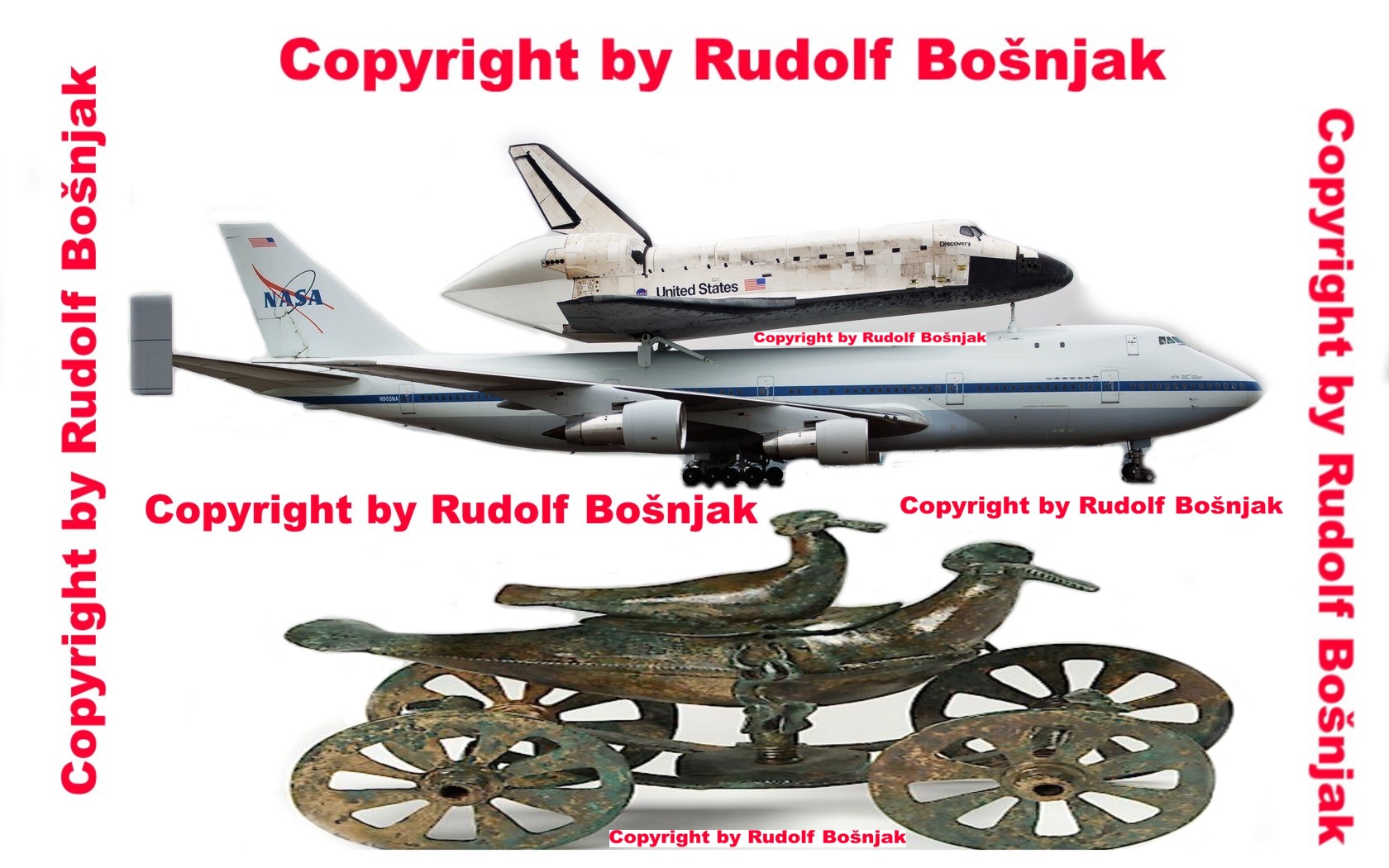
Glasinac vimana u poređenju sa Space Šatlom montiranom na avioinu Boingu 747...
Šta je istina i ko i zašto laže u svom neznanju ničega od odkrića ovih "KOLICA"...
U ljeto 1879 godine, Moritz Hörnes je u članku objavljenom u Wiener Zeitung ukazao na značaj praistorijske materijalne kulture sa Glasinca. To je dovelo do toga da već prve godine nakon uspostave okupacione uprave Austro-Ugarske, Glasinačka visoravan bude predmet slučajnih nalaza i amaterskih istraživanja pojedinaca.
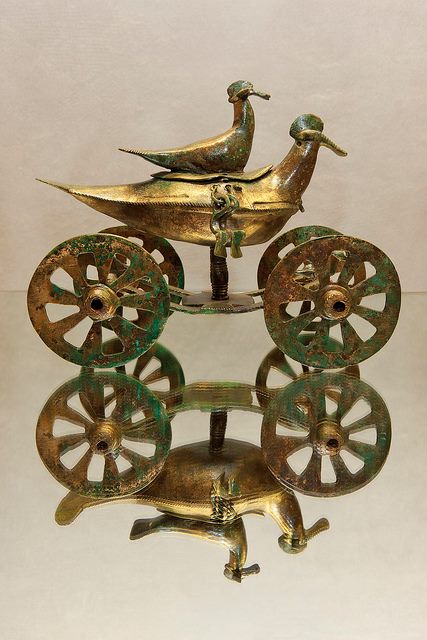
Sljedeće godine poručnik J. Lexa, je, prilikom izgradnje puta Han Podromanija-Rogatica, otvorio prve tumule na visoravni (lokalitet Glasinačko polje-Bjelosavljevići) i tom prilikom je u jednom tumulu iz grupe kraj rijeke Rešetnice naišao među ostalim nalazima i na čuvena brončana glasinačka kultna kolica koje «vuku» dvije ptice.
Nalaze pronađene u tom prvom nepredviđenom iskopavanju objavio je 1881. god. Ferdinand von Hochstätter u Saopćenjima Bečkog antropološkog društva. Moglo bi se reći da je upravo slučajnost da je Lexa prilikom prvog evidentiranog otvaranja jednog glasinačkog tumula, naišao na tako važan i jedinstven nalaz kao što su glasinačka kultna kolica, bila razlogom da Glasinačka visoravan uđe u interes profesionalnih istraživača i amatera istraživača a manje od deceniju kasnije i tek osnovanih naučnih institucija u Bosni i Hercegovini.
Vimana compared to the Boeing 747 and Space Shuttle ...
What is the truth and who and why is lying in its ignorance none of the discoveries of these "Trolleys" ...
In the summer of 1879, Moritz Hörnes, in an article published in the Wiener Zeitung, pointed to the importance of prehistoric material culture from Glasinac. This has led to the fact that, for the first year after the establishment of the Occupation Authority of Austria-Hungary, the Rumanian Plateau has been the subject of random findings and amateur research by individuals.
The following year, Lieutenant J. Lex opened the first tumulas on the plateau (locality Glasinačko polje-Bjelosavljevići) during the construction of the Han Podromania-Rogatica road, and on that occasion found among other finds the famous bronze rumor mill cult carts that "pull" two birds.
The findings found in that first unforeseen excavation were published in 1881. Ferdinand von Hochstätter in the Press Releases of the Vienna Anthropological Society. It could be said that it was a coincidence that at the first recorded opening of a rumble tumulus, Lex came across such an important and unique find as the rummy cult wheelchair, the reason why the Rumor Plateau was in the interest of professional researchers and amateur researchers, and for less than a decade later and newly established scientific institutions in Bosnia and Herzegovina.
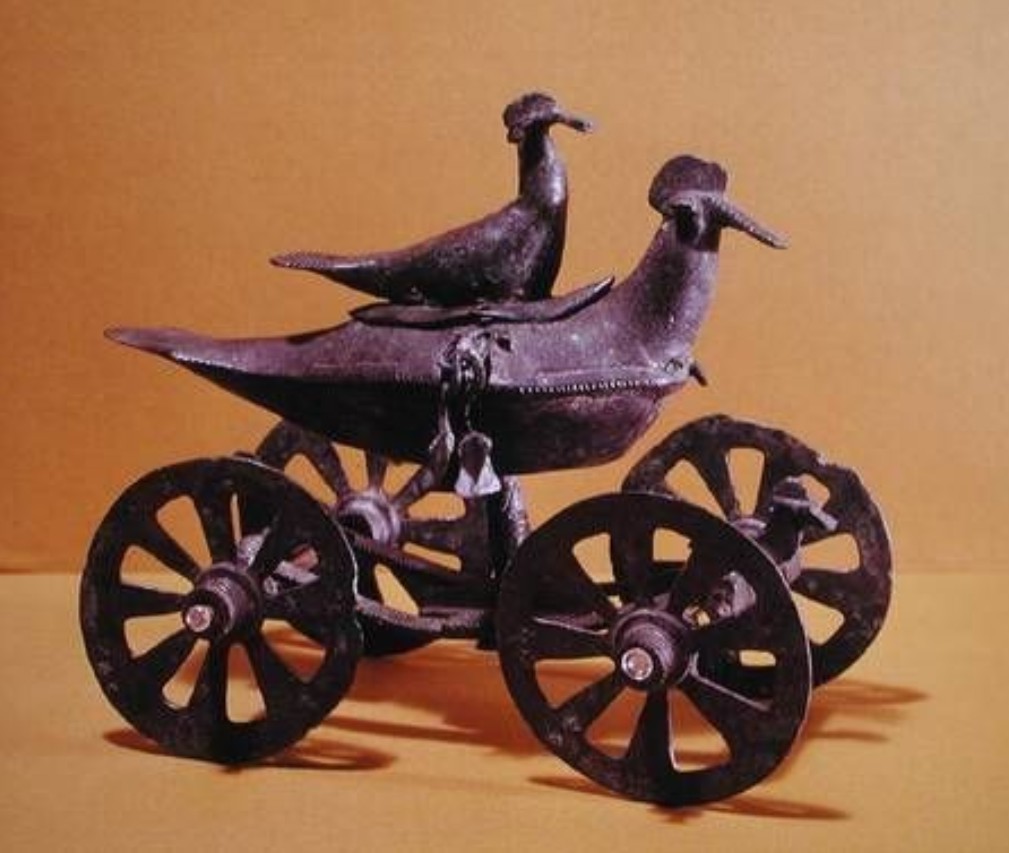
This is found in Glasinac area, near
present city of Sokolac, Bosnia and Herzegovina.
Is this vehicle or flying machine...with wheels.
Glasinac culture.
The Glasinac culture was an Iron Age prehistoric archaeological culture named after Glasinac locality in Bosnia and Herzegovina. The area of the Glasinac culture included parts of present-day Bosnia and Herzegovina, Croatia, Serbia, Kosovo and Albania as well as entire present-day Montenegro. The culture is associated with population that was later known as Autariatae, one of the most powerful Illyrian tribes.
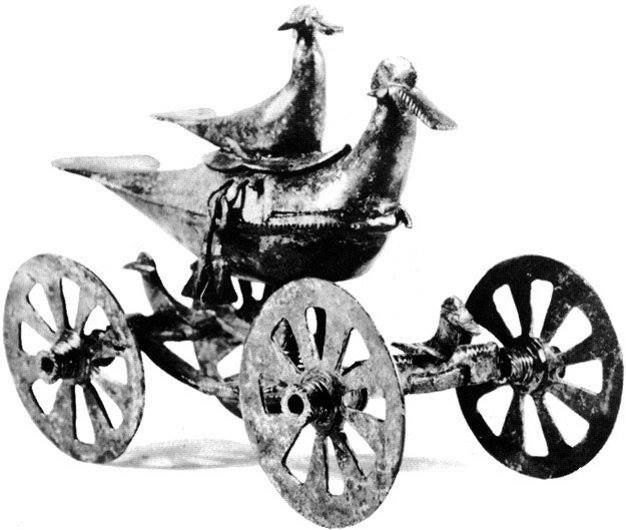
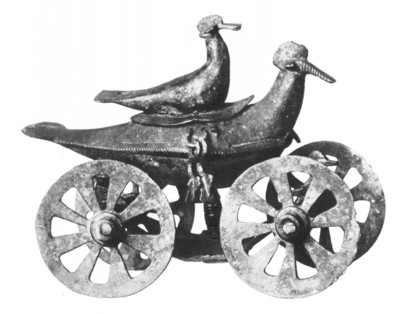
This is found in Glasinac area, near present
city of Sokolac, Bosnia and Herzegovina.
Is this vehicle or flying machine...with
wheels.
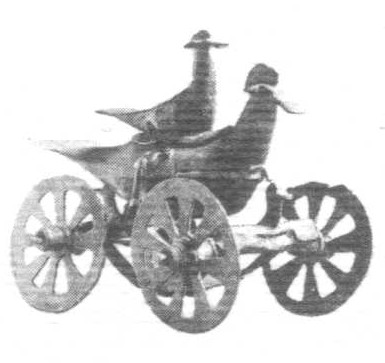
This is found in Glasinac area, near present
city of Sokolac, Bosnia and Herzegovina.
Is this vehicle or flying machine...with
wheels.
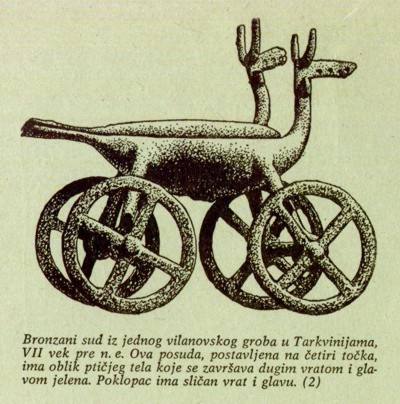
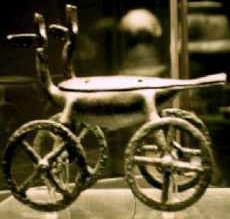
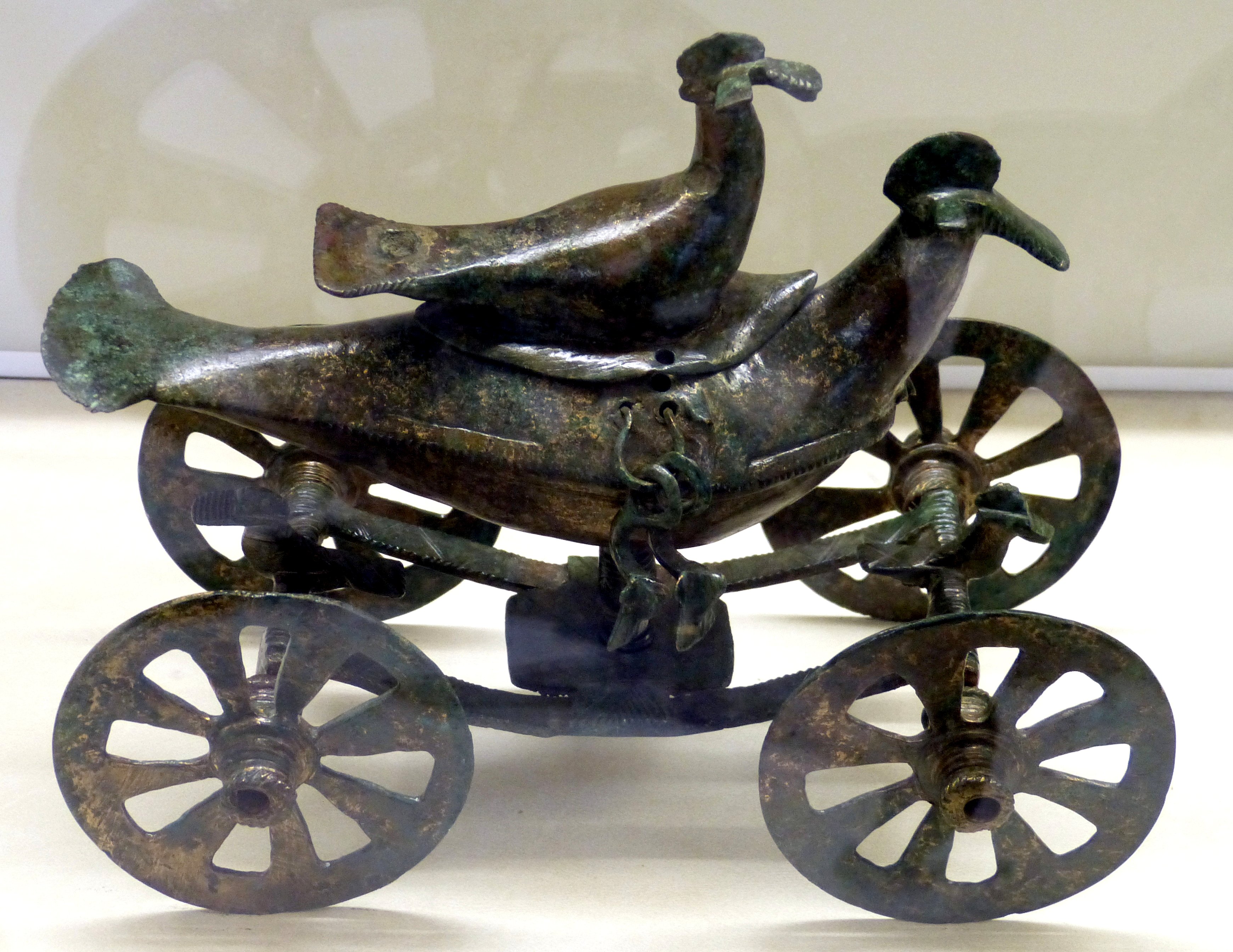
This is found in TARQUINII,
Italy and is similar what was found at Glasinac area,
near present city of Sokolac, Bosnia and Herzegovina.
The origin of Tarquinii is wrapt in the mists of fable. The story, as told by the ancients, is this:- Soon after the Trojan War, Tyrrhenus, son of Atys king of Lydia, being compelled by famine to quit his native land, brought a colony to this part of Italy, and built the Twelve cities of Etruria, appointing to that work his relative Tarchon, from whom the city of Tarquinii, one of the Twelve, received its name. From this tradition there is one dissentient voice, that of Justin, who says that Tarquinii was built by the Thessali and Spinambri, or, in other words, by the Pelasgi. This Tarchon was a man of such wonderful wisdom, which he had displayed even from his childhood, that he was traditionally said to have been born with a hoary head. He it is who is introduced by Virgil as leading his forces to the assistance of Aeneas, against Turnus and Mezentius. Here, in the neighbourhood of Tarquinii, and about the period in question, it came to pass, said the Etruscan tradition recorded in the sacred books of the nation, that as a certain peasant was ploughing the land, and chanced to make a furrow deeper than usual, up sprang a wondrous being, a boy in appearance, but a patriarch in wisdom, Tages by name, the son of a Genius, and grandson of Jove. The peasant, amazed at this apparition, uttered a loud cry; a crowd gathered round; and, "in a short time," says Cicero, who relates the story, "all Etruria was assembled on the spot." The mysterious boy then made known to them the practice of divination by the inspection of entrails and the flight of birds; they treasured up all he had said or sung, and committed it to writing; and these records formed the code of the sacred Discipline of the Etruscans, which regulated their entire polity, civil and religious, and was by them transmitted to the Romans. Though all this is evidently fable, yet through the mists of tradition we can catch a glimpse of substantial forms; we can perceive the high antiquity of the city of Tarquinii, dating from the very foundation of the Etruscan state - its importance, in the derivation of its name from the mythical hero of the land, the founder of the Twelve Cities; and as the spot selected for the divine revelation of the national system of polity. That it was one of the Twelve, none can doubt. Nay, it can urge claims to metropolitan supremacy; and, if not the political head, it must at least be regarded as the ecclesiastical metropolis of the land, the city peculiarly honoured by the gods, the spot where the religious system and the peculiar civilisation of the Etruscans took their rise.
All about TARQUINII - The City you can find here:
PAŽNJA SVIM KORISNICIMA OVOG MATERIJALA, SVE STO JE NAPISANO I SVI CRTEŽI SU COPYRIGHT
Copyright C 1952-2005. All rights reserved. Rudolf Bosnjak.